 scenario-wedding-marketing
 March 30, 2026
 scenario-wedding-marketing
High end wedding planners operate at the intersection of creativity and control. While many weddings focus on aesthetics, large-scale celebrations demand far more than visual appeal. They require structure, discipline, and strategic execution.
As guest counts grow and designs become more ambitious, complexity increases significantly. Therefore, high end wedding planners specialize in transforming this complexity into seamless experiences.
Whether the celebration includes 500 guests or exceeds 2,000 attendees, the challenge remains the same: maintain elegance without losing control.
This balance defines the true art of high-end wedding planning.
Over time, weddings have evolved into multi-layered productions. Today, celebrations often span several events, feature custom-built installations, and involve multiple vendors working simultaneously.
Because of this scale, even minor inefficiencies can create visible disruptions.
For example, delayed guest movement can affect ceremony timing. Similarly, poorly planned layouts can lead to congestion and discomfort.
Therefore, high end wedding planners approach every event with a systems-first mindset.
They do not simply design spaces. Instead, they engineer experiences that function smoothly at scale.
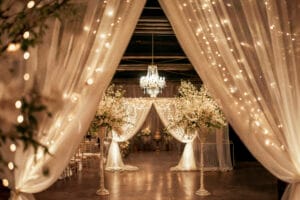
First, planners evaluate the venue’s capacity and infrastructure in detail. While a venue may appear spacious, it must also support technical requirements and guest flow.
Therefore, high end wedding planners assess:
For instance, a large open venue may require temporary flooring, structural reinforcement, or additional lighting infrastructure.
Because these elements affect execution, planners address them early in the process.
Once the venue is finalized, planners focus on guest movement. Smooth flow ensures that guests remain comfortable and engaged throughout the celebration.
Therefore, planners design pathways that guide guests naturally.
These include:
For example, during a large wedding, guests should move effortlessly from the welcome area to the ceremony and then to the dining space.
Because of this structured flow, congestion is minimized and the overall experience feels calm.
This level of planning distinguishes high end wedding planners from conventional coordinators.
In addition to spatial planning, technical execution plays a critical role.
Lighting, sound, and staging must work in harmony to support both aesthetics and functionality.
Therefore, production teams conduct detailed testing before final approvals.
This includes:
For instance, certain materials may reflect light differently under warm or cool tones. Without testing, these reflections can disrupt the visual balance.
However, with proper calibration, lighting enhances the overall design.
Consequently, every technical element contributes to the aesthetic vision rather than distracting from it.
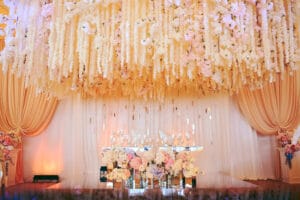
High end wedding planners understand that design alone cannot carry an event. While dramatic backdrops and installations create visual impact, they must remain practical and safe.
Therefore, planners work closely with designers to ensure feasibility.
For example:
Because of this collaboration, creative ideas translate into executable designs.
This balance between creativity and discipline defines high-end planning.
Before any physical setup begins, planners invest significant time in pre-production.
This phase ensures that every detail aligns with the overall plan.
Pre-production includes:
Because this groundwork is completed in advance, on-site execution becomes far more efficient.
Even under tight timelines, teams can work confidently without confusion.
Large-scale weddings often operate under strict timelines. Delays in one area can quickly affect the entire schedule.
Therefore, high end wedding planners create structured timelines with built-in buffers.
For example:
Because planners anticipate potential delays, they can adapt quickly without compromising quality.
As a result, the event progresses smoothly, even under pressure.

High-end weddings involve collaboration between numerous teams. Designers, caterers, technicians, entertainers, and logistics teams must all work together seamlessly.
Without strong leadership, coordination can become chaotic.
Therefore, high end wedding planners establish clear accountability structures.
Each team understands:
Because roles remain clearly defined, teams operate efficiently without overlap.
In addition to leadership, communication acts as the backbone of execution.
Planners maintain continuous communication with all teams through:
Because information flows consistently, misunderstandings are minimized.
Consequently, execution remains smooth and controlled.
While teams work under pressure, planners maintain a calm and composed presence.
This leadership style ensures that challenges are resolved quickly without escalating stress.
Guests and clients rarely see these adjustments. Instead, they experience a seamless celebration.
This ability to absorb complexity quietly defines the expertise of high-end wedding planners.

As guest numbers increase, maintaining comfort becomes more challenging. However, luxury lies in making every guest feel valued.
Therefore, planners focus on:
Because of this attention to detail, even large gatherings feel organized and welcoming.
Transitions between event segments often determine the overall experience.
For example, moving guests from the ceremony to the reception must feel natural and effortless.
Therefore, planners carefully time each transition.
They coordinate:
Because these elements align perfectly, the event flows smoothly from one moment to the next.
Modern high-end weddings increasingly rely on technology to enhance efficiency.
Digital tools help planners manage:
Because systems streamline operations, planners can focus more on experience and less on manual processes.
This integration of technology strengthens precision and reduces errors.

Large weddings can generate significant waste if not managed responsibly.
Therefore, high end wedding planners incorporate sustainable practices wherever possible.
These include:
Because sustainability aligns with modern values, it enhances the overall integrity of the celebration.
Ultimately, high end wedding planners do more than manage logistics. They create structure within complexity.
They ensure that:
Because of this expertise, couples can focus on their celebration rather than operational challenges.

High end wedding planners combine vision, discipline, and leadership to deliver exceptional events.
They approach every celebration with a systems-driven mindset. At the same time, they preserve creativity and emotional impact.
As a result, weddings feel both grand and effortless.
This balance defines true luxury.
To explore how large-scale execution aligns with a broader planning philosophy, read our guide on luxury and ultra luxury wedding planner in Kerala.
Explore our Instagram for High-end Wedding Decor